
Wenchang ElectronicWire and cable solution provider


4application
The application solution for medical instrument cables focuses on meeting the stringent requirements of medical equipment for safety, reliability and adaptability to specific environments. The key points are as follows:
1. Safety Design
Electrical Safety: Use high-voltage-resistant insulating materials (such as with a voltage resistance of ≥ 4000VAC) to prevent the risk of electric leakage; the cross-sectional area of the conductors is matched with the power of the equipment to avoid overheating due to overload.
Mechanical protection: The outer sheath is made of wear-resistant and tear-resistant medical-grade materials (such as TPE, silicone rubber), and its durability is ensured through bending tests (such as ≥ 5000 times).
Biocompatibility: The parts in contact with patients must undergo tests for cytotoxicity and skin irritation. The material is non-toxic and harmless (such as free of phthalates).
2. Anti-interference Optimization
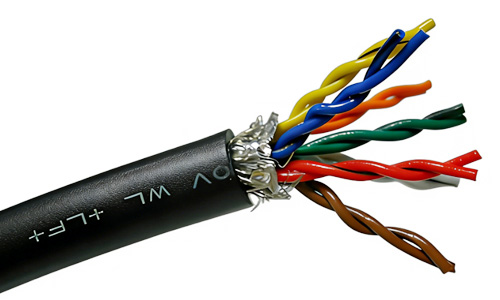
Shielding Structure: Utilize a "twisted pair + aluminum foil + woven mesh" composite shielding method to suppress electromagnetic interference (such as the attenuation of electrocardiogram monitoring cable ≥ 60dB).
Grounding design: Follow the single-point grounding principle to avoid ground loop interference and ensure the stability of signal transmission.
Low-magnetic material: The cables of MRI equipment use low-magnetic-conductivity materials such as silver-coated copper wires to prevent eddy current heating.
1. Safety Design
Electrical Safety: Use high-voltage-resistant insulating materials (such as with a voltage resistance of ≥ 4000VAC) to prevent the risk of electric leakage; the cross-sectional area of the conductors is matched with the power of the equipment to avoid overheating due to overload.
Mechanical protection: The outer sheath is made of wear-resistant and tear-resistant medical-grade materials (such as TPE, silicone rubber), and its durability is ensured through bending tests (such as ≥ 5000 times).
Biocompatibility: The parts in contact with patients must undergo tests for cytotoxicity and skin irritation. The material is non-toxic and harmless (such as free of phthalates).
2. Anti-interference Optimization
Shielding Structure: Utilize a "twisted pair + aluminum foil + woven mesh" composite shielding method to suppress electromagnetic interference (such as the attenuation of electrocardiogram monitoring cable ≥ 60dB).
Grounding design: Follow the single-point grounding principle to avoid ground loop interference and ensure the stability of signal transmission.
Low-magnetic material: The cables of MRI equipment use low-magnetic-conductivity materials such as silver-coated copper wires to prevent eddy current heating.
Next:transportation
Specializing in wire and cable manufacturers
contact way
-
product
Robot wire Automotive wire communication cable Drag chain cable Electronic wire Flat cable series power cord more -
About Us
company profilecorporate cultureCompany imagingcertificationvideo -
application
electricity architecture Industrial Traffic Communication new energy petroleum Medical -
news
Company Industry Questions -
contact us
contact way
 qr code
tel+86 0769-8550 0878
Dongguan Wenchang Electronic Co., LTD 粤ICP备15115360号 【admin】
