
Wenchang ElectronicWire and cable solution provider

4application
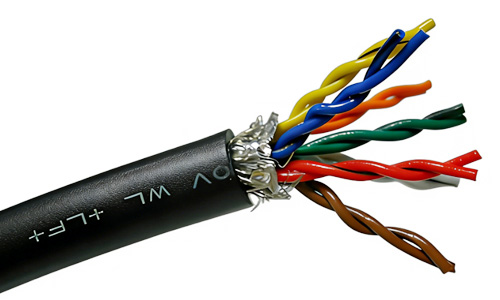
In the field of construction, cables are crucial components for power transmission, signal delivery and shielding. The selection and installation of cables directly affect the safety, reliability and intelligence level of buildings.
Prevent damage to cable insulation: Do not allow the cable to be overly bent; the bending radius should be greater than the specified value.
Mechanical damage protection: In areas that may be subject to mechanical damage, such as when entering buildings, tunnels, passing through floor slabs and walls, etc., a section of cable within 2 meters from the ground needs to be protected by a steel pipe or equipped with a protective cover.
Fire prevention measures: For cables laid in cable trenches or tunnels, those with flammable or highly flammable outer sheaths should not be used. Instead, bare armored cables, bare lead (aluminum) sheathed cables, or flame-retardant plastic sheathed cables should be adopted.
Grounding protection: The metal sheath of the directly buried cable should be reliably grounded at both ends, and the grounding resistance should not exceed 10Ω.
Identification and Record: After the cable laying is completed, obvious orientation markers or stakes should be set up promptly to facilitate subsequent maintenance and repair. At the same time, detailed records of the cable's laying path, model specifications, etc. should be made.
Prevent damage to cable insulation: Do not allow the cable to be overly bent; the bending radius should be greater than the specified value.
Mechanical damage protection: In areas that may be subject to mechanical damage, such as when entering buildings, tunnels, passing through floor slabs and walls, etc., a section of cable within 2 meters from the ground needs to be protected by a steel pipe or equipped with a protective cover.
Fire prevention measures: For cables laid in cable trenches or tunnels, those with flammable or highly flammable outer sheaths should not be used. Instead, bare armored cables, bare lead (aluminum) sheathed cables, or flame-retardant plastic sheathed cables should be adopted.
Grounding protection: The metal sheath of the directly buried cable should be reliably grounded at both ends, and the grounding resistance should not exceed 10Ω.
Identification and Record: After the cable laying is completed, obvious orientation markers or stakes should be set up promptly to facilitate subsequent maintenance and repair. At the same time, detailed records of the cable's laying path, model specifications, etc. should be made.
Prev:transportation
Next:Electronic
Specializing in wire and cable manufacturers
contact way
-
product
Robot wire Automotive wire communication cable Drag chain cable Electronic wire Flat cable series power cord more -
About Us
company profilecorporate cultureCompany imagingcertificationvideo -
application
electricity architecture Industrial Traffic Communication new energy petroleum Medical -
news
Company Industry Questions -
contact us
contact way
 qr code
tel+86 0769-8550 0878
Dongguan Wenchang Electronic Co., LTD 粤ICP备15115360号 【admin】
